

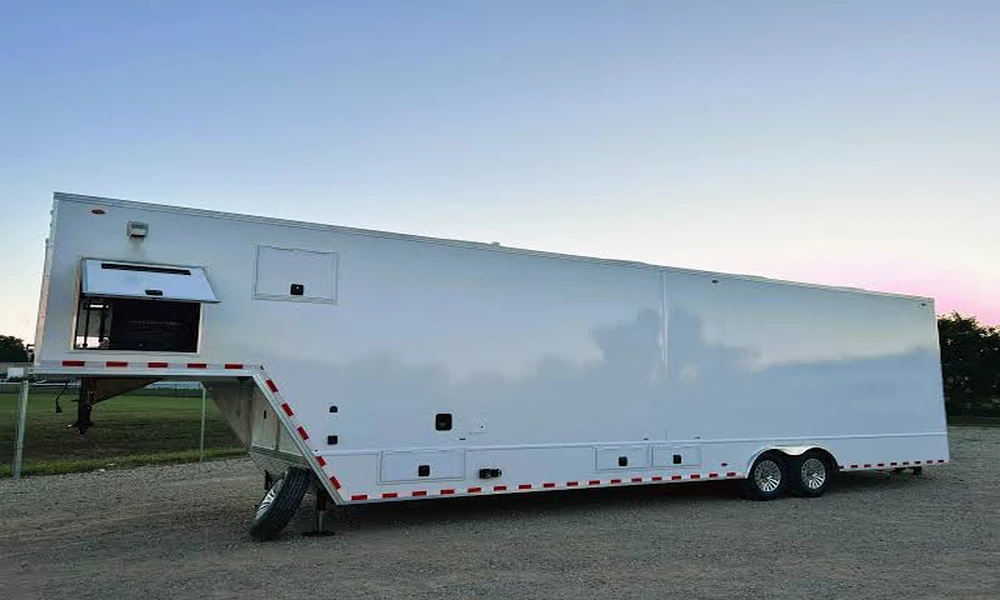
Mobile command centers have become increasingly important for organizations that operate in dynamic and demanding environments. They provide a centralized workspace where teams can communicate, monitor activities, and coordinate decisions directly from the field. Industries such as emergency response, construction, utilities, telecommunications, and public safety continue to expand their use of these mobile units to improve operational efficiency. As their role grows, several important considerations should guide their planning, design, and daily operation.
As field operations become more complex, understanding the Growing Role Mobile Command Insights can help organizations make better decisions about how these units are designed and deployed. Modern mobile command centers are not simply temporary workspaces; they bring together communication tools, technology, personnel, and operational resources in one location. Considering factors such as connectivity, equipment reliability, workspace organization, safety, and adaptability can help organizations ensure their mobile command centers remain effective across different environments and operational demands.
Define Operational Objectives
Before deploying a mobile command center, organizations should clearly identify its intended purpose. Some units are designed for emergency management, while others support infrastructure projects, utility maintenance, or large public events.
Establishing clear objectives helps determine the equipment, technology, and interior layout needed to support daily operations effectively.
Select Reliable Communication Systems
Communication is one of the most important functions of a mobile command center. Reliable systems allow field personnel to exchange information quickly with headquarters, remote teams, and other departments.
Important communication features may include:
- Two-way radio systems
- Internet connectivity
- Video communication equipment
- Data-sharing capabilities
Dependable communication helps improve coordination and supports faster decision-making.
Plan an Efficient Interior Layout
Available workspace should be organized to maximize productivity. Equipment, storage, workstations, and electrical systems should be arranged so personnel can move comfortably while accessing essential resources.
A practical layout also reduces unnecessary interruptions and supports smoother daily operations.
Prioritize Equipment Reliability
A mobile command center depends on multiple electronic and mechanical systems. Communication devices, power supplies, computers, and monitoring equipment should be inspected regularly to ensure dependable performance.
Routine maintenance helps reduce unexpected failures that could interrupt field operations.
Focus on Safety
Safety should remain a priority throughout the design and operation of the mobile command center. Secure equipment mounting, organized wiring, emergency access, and stable workstations all contribute to a safer working environment.
Regular safety inspections further reduce operational risks during deployment.
Prepare for Different Field Conditions
Mobile command centers often operate in changing environments, including construction sites, remote locations, and emergency response areas. Planning for weather conditions, road conditions, and available power sources helps improve operational readiness.
Carrying backup equipment and emergency supplies also supports uninterrupted field operations.
Support Workforce Training
Employees should receive regular training on equipment operation, communication procedures, safety practices, and emergency response protocols. Well-trained personnel are better prepared to use the command center effectively under different operating conditions.
Continuous learning also helps teams adapt to new technologies as they are introduced.
Evaluate Operational Performance
Reviewing each deployment allows organizations to identify strengths and areas for improvement. Assessing communication efficiency, equipment reliability, workflow effectiveness, and team coordination provides valuable information for future planning.
Applying these lessons helps improve overall operational performance over time.
