

An undergraduate degree is an exciting challenge, but in many ways paying for it is much more serious. Tuition, housing, books, food, and transport invariably makes a sizable charge. Student loans can help fill the gap when scholarships and savings do not cover the whole costs.
The key is selecting a loan that meets your current needs and your disposable income on graduation day.
Start with the Numbers
Before approaching lenders, calculate your real financing gap. Enter your anticipated college expenses and subtract scholarships, grants, savings, and other forms of aid.
The remaining balance can show you approximately what you may want to spend. Avoid taking more than necessary. The larger the loan balance, the higher payments and compound interest later.
Compare the Features
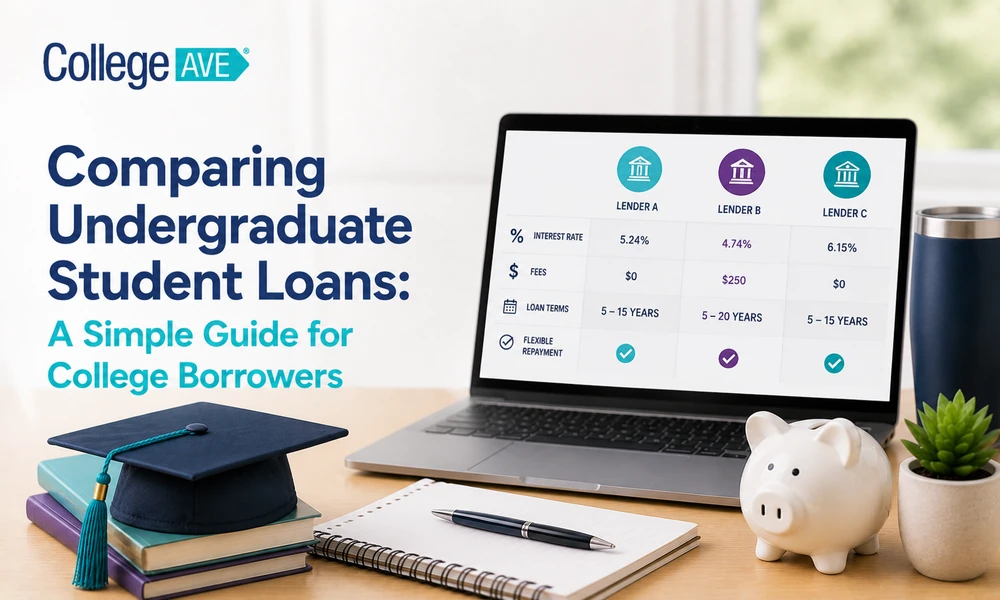
To compare undergraduate student loans (in other words, to decide which loan is better), you will want to look beyond the advertised interest rate. Between lenders, loan terms can vary greatly.
Check such details before going to decide:
- Interest rate and rate type
- Repayment period
- Monthly payment
- Loan fees
- Cosigner requirements
- Repayment flexibility
You might get predictable payments on a fixed rate. A variable-rate may fluctuate every so often. Knowing how this differs allows you to select a loan that matches the level of financial comfort.
Do Not Ignore the Total Cost
The monthly payment is not the whole story. Extending the time you need to pay off your loan might reduce each payment size, but it may cost you more in interest over the course of a 30-year mortgage.
If you take note of how much you might repay from the best private student loans for college, you can save money in the long run. This allows you to compare offers more effectively across the board.
Also check is the lender offering you flexibility in case your finances change once you graduate.
Think About Your Future Income
Before even considering the undergraduate student loans options, you should be looking at your projected career pathway. Think about the money you will make when you get out of school and where a loan payment fits into your future budget.
Rent, groceries, travel costs, insurance, and a myriad of other expenses will share the same income. A smaller loan balance frees up your finances for things that matter after college.
Choose with Care
Not all private student loans for college are created equal. A loan that has been appropriate for your education expenses needs to correlate with your capability to repay it.
Compare rates, fees, or any related terms and total costs before taking some time to decide. Borrow only what you need, understand what you are signing up for, and factor it into your long-term budget. By making a wise decision now, you will find the transition from college to working life simpler.
